

Looking at Apple Watch success through the lens of the digital camera revolution
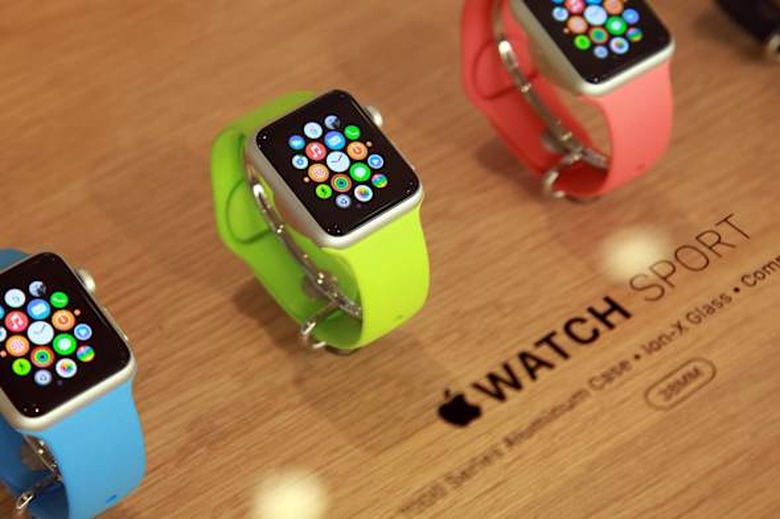
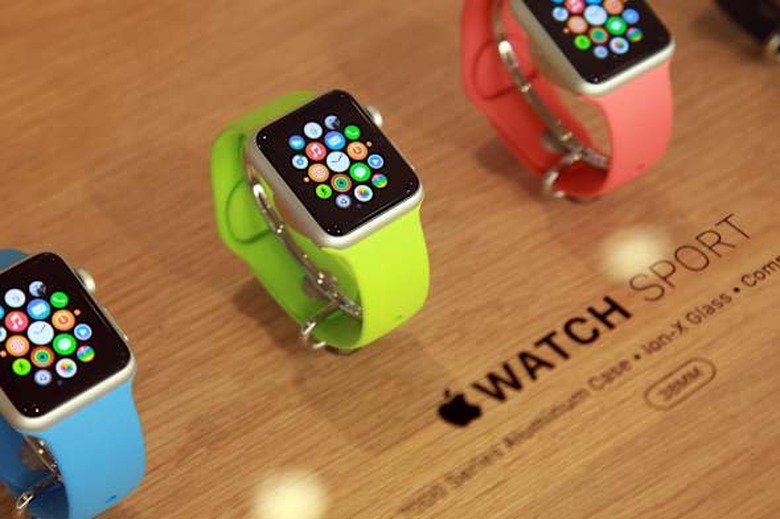
When the Apple Watch hits store shelves, hopefully sometime this spring, it's going to be extremely fascinating to see how readily consumers take to the device. What makes the Apple Watch so intriguing from a market perspective is that there's still so much we don't know about the device.
Concrete use-cases remain somewhat nebulous. In fact, a recent blurb from Jony Ive about the Apple Watch as an alarm clock leads one to believe that Apple is still discovering the full extent of its practical functions.
"Just yesterday, somebody was saying, 'Wow, do you know what I just did? I set the alarm in the morning, and it woke just me by tapping my wrist. It didn't wake my wife or my baby,'" he recounted. "Isn't that fantastic?"
As for pricing, that too remains a mystery. Aside from the base model units which will start at $349, we still have no idea what the pricing matrix is going to look like. And above all, we have no historic yardstick that would indicate whether or not a tech company as consumer focused as Apple can successfully innovate its way into the fashion world.
Yesterday, former Apple executive Jean-Louis Gassee published an interesting post addressing a number of challenges the Apple Watch will face on the retail market. The entire post is well worth a read, but one portion in particular is worth highlighting.
Gassee puts forth an interesting idea to consider, namely that the rollout of the Apple Watch may share a few commonalities with the transition from traditional cameras to digital cameras.
Then, in the mid-nineties, digital electronics begin to sneak in. Sensor chips replaced silver-halide film; microcomputers automated more and more of the picture taking process.
...
The first digital cameras weren't so great. Conventional film users rightly criticized the lack of resolution, the chromatic aberrations, and other defects of early implementations. But better sensors, more powerful microprocessors, and clever software won the day.
Might a similar scenario play out with the Apple Watch? While the high-end portion of the watch market is clearly safe, will the advanced electronics in the Apple Watch, which will inevitably improve over time, be able to turn the rest of the watch market on its head?
So far, electronic watches haven't upended the watch industry. They've mostly replaced a spring with a battery and have added a few functions and indicator displays – with terrible user interfaces. This is about to change. Better/faster/cheaper organs are poised to invade watches: sensors, microprocessors + software, wireless links...
Gassee always has interesting insights about Apple's moves and his most recent article is certainly no exception.