

Virtual and Augmented Reality - The Next Huge Web Disruption
Decades ago, the Internet gave us a bigger disruption in communication, business, and information gathering than the world ever believed possible. Over time, of course, we adapted, and have become quite comfortable with browsing the web for all kinds of purposes and enjoying the ability to share and chat with our friends and families on social media. Businesses have designed and developed their websites, blogs, and social media presences, and are using all of the latest tools and technologies to engage and capture customers.
And just when we thought it was "safe," along comes an even more disruptive technology – augmented and virtual reality. This new technology will completely change our web experiences, bringing them into our worlds in 3D, or, better stated, putting us "physically" into our web experiences.
The Catalyst
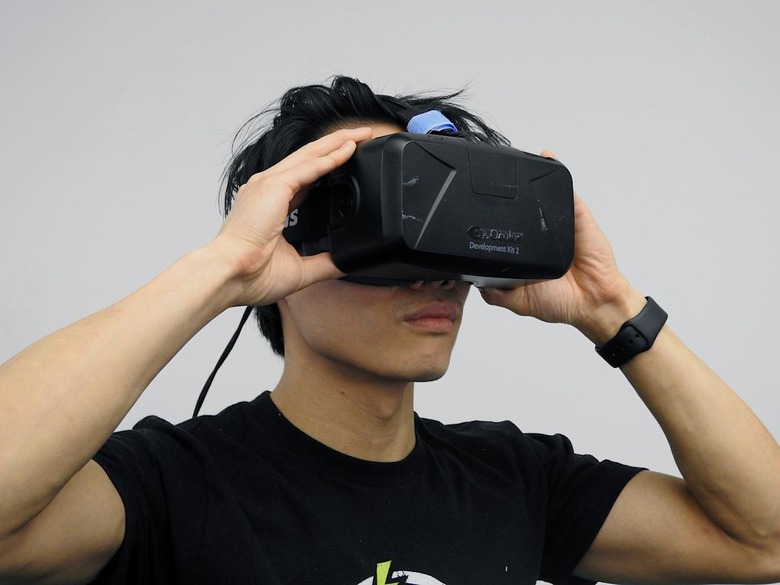
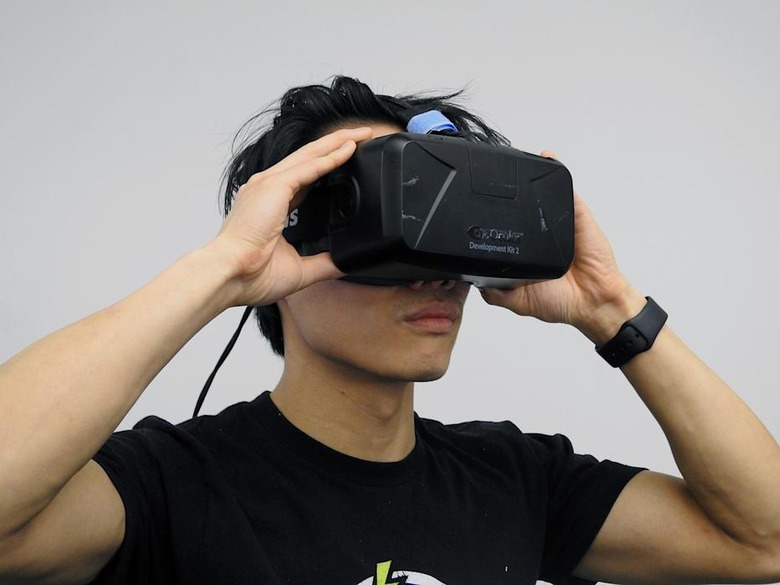
Until now, VR has been a technology that never quite took off, although movies certainly got us excited about it. That has all changed now. And the catalyst has probably come in the form of a single device – the Oculus Rift. This piece of hardware is ready to roll and has already been purchased by Facebook for $2 billion. Obviously, we are about to see a revolution in web browsing.
And the Oculus Rift is not the only VR device being developed. Headsets from Google and Sony, as well as the pretty amazing HoloLens from Microsoft, tell us where we are going with this. There is a near future in which web users will be experiencing their browsing in 3D and in real time, and more. They will be "walking" into websites, like museums, and having a virtual look around. It means they will be looking at and building items on tables in their homes; and it means that they will be saving what they want on walls and refrigerators for repeat visits.
The Implications for Web Design
"AR and VR will completely revolutionize the web design and development industry," states W. Scott Cain, Director of Marketing for Integrated IT Solutions. "Providing visitors, customers and clients with virtual browsing experiences will require an entirely new skill set for designers and developers. IT solutions companies must begin now to prepare for this coming reality."
Take a Tour
For anyone who would like to get a sampling of this next disruption, there is a virtual reality browser to check out. It's Janus VR, Here, you can walk through a search feature that is more like a lobby and select URL's to visit. Getting to those URL's requires only walking through doorways to get to them. Images and text from those sites are projected on walls, and you are free to "walk" around and absorb all of the information; or you can move into a theatre room to view videos and animations. There is also a chat feature so that a visitor can converse with others having the same experience.
It's only a matter of time before WordPress site designs become dinosaurs.
And Firefox and Google are already experimenting with virtual browsing.
The HoloLens from Microsoft will add to all of this by allowing users to turn home surfaces into web displays, by loading websites on walls, ceilings and a fridge. They can then be pinned to those surfaces so that users can return at any point. An entire cookbook can be accessed on the fridge door, for example. And imagine shopping on Amazon while you lie in bed looking at your ceiling.
Communication Disruptions
Facebook bought the Oculus Rift for a reason, and it has to do with communication. While some web features may not do well with an AR or VR design, communication will thrive in such an environment. Chatting with friends and strangers while they are "in the room" with us will take social media to an entirely new level.
Imagine as well, that you might have a plumbing problem in your home. Pull up a plumber in virtual reality who can diagnose the issue, tell you what parts to go buy, and then virtually walk you through your own repair, even providing both oral and written instructions and "physically" pointing to the joints and valves in the repair process. A DIY'ers dream and a plumber who can work from home.
While no one is suggesting that a business begin to invest heavily in AR or VR technology right now, it is best to be prepared for the inevitable. A wise move at this juncture will be to discuss this future with their web designers, making sure that they are staying current on new developments and are at least able to provide expertise in 3D modeling. That will probably be the first step on this journey.