

How Tech Innovation is Disrupting the Entertainment and Business Worlds
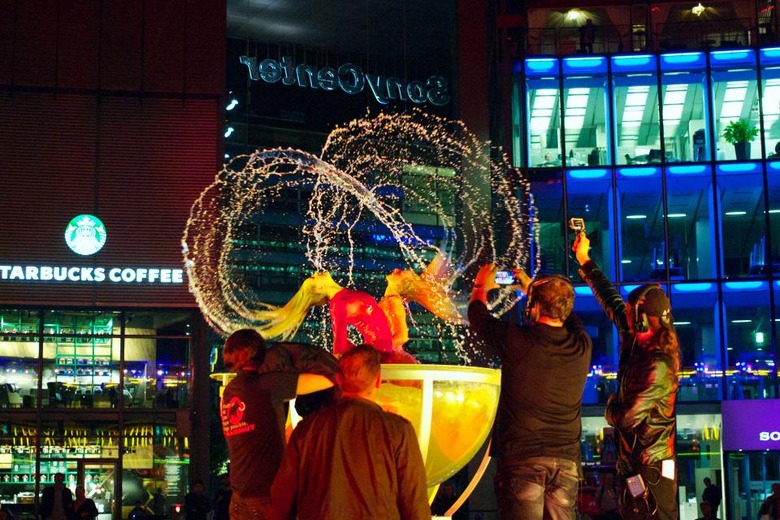
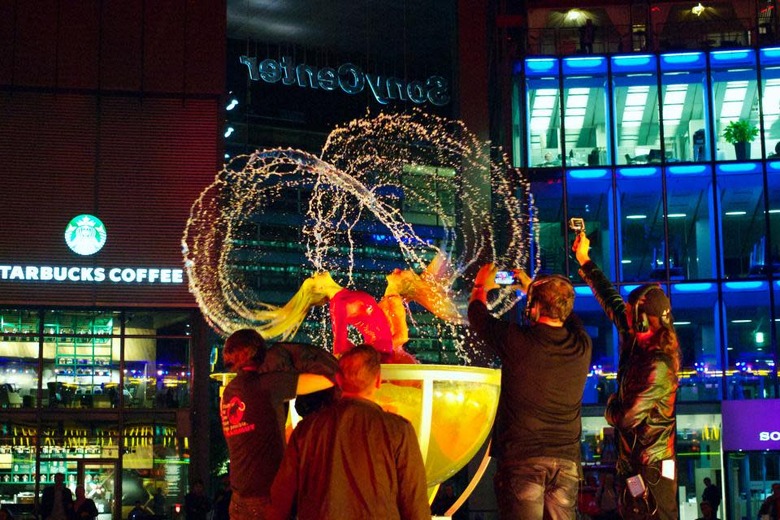
Anyone who has watched the latest talent search programs, such as "America's Got Talent" will probably see a few acts dedicated to the collaboration between human talent and technology. They are pretty stunning, and the audience is fascinated with the special effects that are now possible. Laser light shows, digitally enhanced music effects, 3D, and augmented reality are just a few of the enhancements we have seen, as performers showcase their talents.
Add to these talent show venues other digital innovations, such as music videos filmed by drones, virtual reality in movie theatres, complete with headsets and zero gravity chairs, and the music and theatre-going experiences can be pretty amazing, when compared to the traditional MTV and movie-watching environments that we have grown up with.
All of this digital enhancement is exciting and fun. But it has greater, more far-reaching applications that businesses are just now beginning to see. It's all about giving potential customers digital experiences that will stick with them and that will keep a brand fresh in a memory.
Entertainment Crosses Over into Business
Not to be left out of this new digital disruption, businesses have begun to see great opportunity to present their products and services in an entertaining and engaging way. They've decided that, when they need to present their offerings to customers, investors, and stockholders, they can put on a show that will excite and compel and help to blow the competition "out of the water."
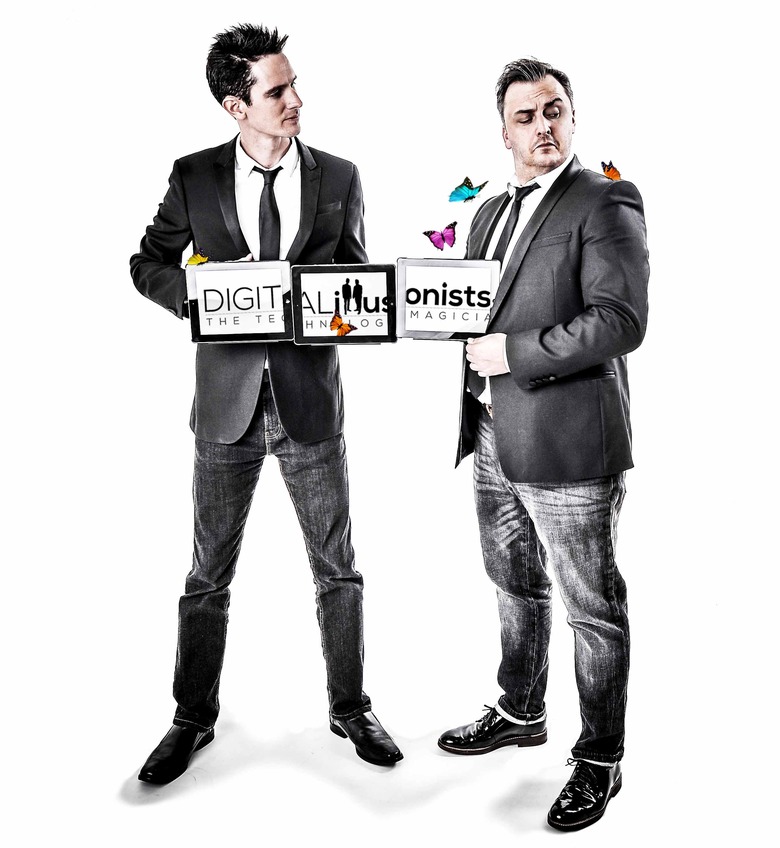
Consider the work of Keelan Leyser, otherwise known as the iPad Magician. He presented some of his creative talents on the show Britain's Got Talent, where he showcased as a magician with a "quick change" act. But more important to him, over the past ten years, has been his "magic" with digital devices. He uses digital technology to create custom shows for major players in technology, including Microsoft, Apple, Skype and others, primarily at trade show events, product launches, stockholders' events, etc. Using 10 iPads and his partner, Matt Daniel-Baker, a company's logo, slogan, products, and overall brand is incorporated into an amazing show that will enthrall even the most jaded audience.
Other digital innovators have also gotten into this new realm of marketing. From light artists, to laser harpists, to dancing robots, and more, there is an entire industry building upon digital technology to spread brands, to entice B2C and B2B customers, and to turn the entire field of marketing into an entertainment venue. And given the demand of customers to have experiences rather than just sales presentations, this industry has nowhere to go but up.
Entertainment – There's No Turning Back Now
Consider just the latest technology that younger consumers want and need. They demand augmented reality when they explore restaurant options – they want to see how meals are prepared. They love the idea of a wine bottle label with an embedded video showing how that wine was made from the vine to the bottling; they want to place themselves into a spa and experience what will be in store for them; they want to test drive a car in real time; they want to take virtual tours of places they consider for vacations; and they want to experience concerts in virtual reality. All of these things are now possible.
Now consider the traditional marketing campaigns – websites featuring photos of products and services; blog posts providing information, along with a few visuals or perhaps a "how to" video; social media presences that offer stories and perhaps some audience participation through interactive opportunities. There will be a place for these traditional marketing strategies, of course. People still want information and they still want that information packaged in easily accessible formats. As a younger audience takes over, however, these traditional strategies will have to be augmented with flashy, engaging and stunning experiences that will captivate and, yes, entertain.
The smart businesses will embrace the possibilities that entertainment provides, and they will incorporate these not just within their online strategies, but everywhere they physically go as well. Whether it's a presentation in a client's office or at a trade show event, entertainment will become a critical part of marketing.